
Despite recent confusion surrounding planned negotiations in Doha, Qatar has confirmed that technical discussions between the United States and Iran are ongoing. These talks are part of a US-led initiative designed to ease regional tensions and address critical issues such as frozen Iranian assets and maritime security concerns. While Iran has denied any scheduled direct meetings with US officials, it acknowledges that discussions are being facilitated indirectly through Qatari mediation.
The presence of US envoys Steve Witkoff and Jared Kushner in Doha signifies the broader regional discussions taking place. However, Qatar has clarified that the transfer of billions of dollars in frozen Iranian funds has not yet occurred. This situation has been complicated by conflicting statements from both Washington and Tehran regarding the progress and nature of the negotiations.
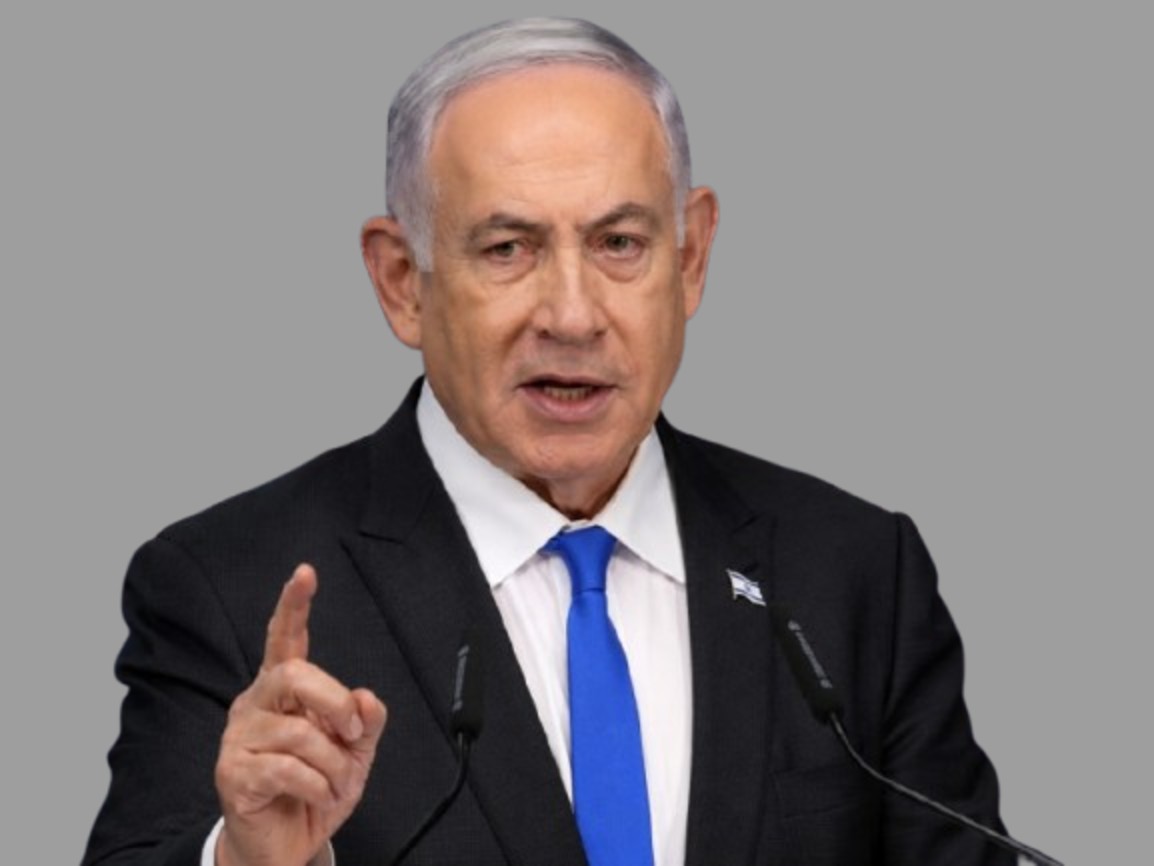
Adding to the regional tensions is Israeli Prime Minister Benjamin Netanyahu’s recent visit to southern Lebanon. During the visit, Netanyahu stated that Israeli forces would remain in the area until the threat from Hezbollah is neutralized. This visit follows a US-brokered security agreement involving Israel and Lebanon, further influencing the already complex geopolitical landscape.
The ongoing friction between the US and Iran over the Strait of Hormuz remains a focal point of their relations. Both countries have exchanged accusations concerning recent military actions and disputes over control of this vital waterway, which plays a crucial role in global energy distribution. As diplomatic efforts continue, the Strait remains a critical factor in negotiations.
In response to these developments, oil markets have shown a cautious reaction, with prices fluctuating as investors keep a close watch on whether the diplomatic efforts in Doha will lead to regional stability or contribute to further instability. The outcome of these negotiations remains uncertain, impacting strategic decisions and economic forecasts worldwide.