
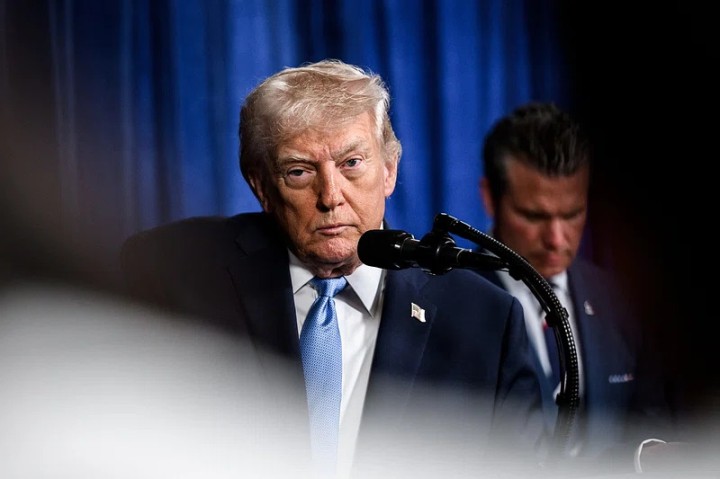
The upcoming G7 summit in France is poised to be a critical platform for discussions on ensuring the safe passage through the Strait of Hormuz, as tensions between the United States and Iran show signs of easing. US President Donald Trump is set to lead talks aimed at demining this crucial waterway, which has faced substantial disruptions due to ongoing conflict. Efforts to secure peaceful navigation are gaining traction, with Britain and France expressing readiness to join demining operations when conditions are favorable.
The Strait of Hormuz holds significant strategic importance as one of the globe’s primary conduits for oil and natural gas shipments. Restoring uninterrupted passage through this corridor is deemed essential for stabilizing international energy markets and supporting global trade. With diplomatic negotiations progressing, a potential breakthrough in US-Iran relations is on the horizon, offering a glimmer of hope for regional peace and economic stability.
During the G7 summit, President Trump is also anticipated to engage in discussions with leaders from Egypt, Qatar, and the United Arab Emirates. The focus will be on enhancing regional security, implementing prospective peace agreements, and promoting broader stability across the Middle East. The diplomatic climate has recently improved, with mediators showing optimism about reaching a formal agreement. The proposed deal is likely to emphasize the cessation of military actions, the resumption of maritime activities, and laying the groundwork for further talks on long-term security challenges.
Iranian representatives have acknowledged the progress made in negotiations, albeit with cautious optimism regarding the timeline for finalizing an accord. Both sides are reportedly ironing out technical specifics in anticipation of a potential signing ceremony. The ongoing conflict has significantly impacted global energy markets, creating disruptions in shipping through the Strait of Hormuz and raising concerns about the reliability of oil and gas supplies worldwide. Consequently, governments and businesses are keeping a close watch on the unfolding diplomatic developments.
In a related incident, Iranian authorities have scheduled funeral ceremonies for former Supreme Leader Ayatollah Ali Khamenei, who lost his life early in the conflict. These events are expected to take place in July, adding another layer of complexity to the region’s already tense atmosphere. As diplomatic efforts gather momentum and international backing grows, leaders at the G7 summit are determined to ensure any agreement’s successful execution, aiming to avert a resurgence of regional instability.