
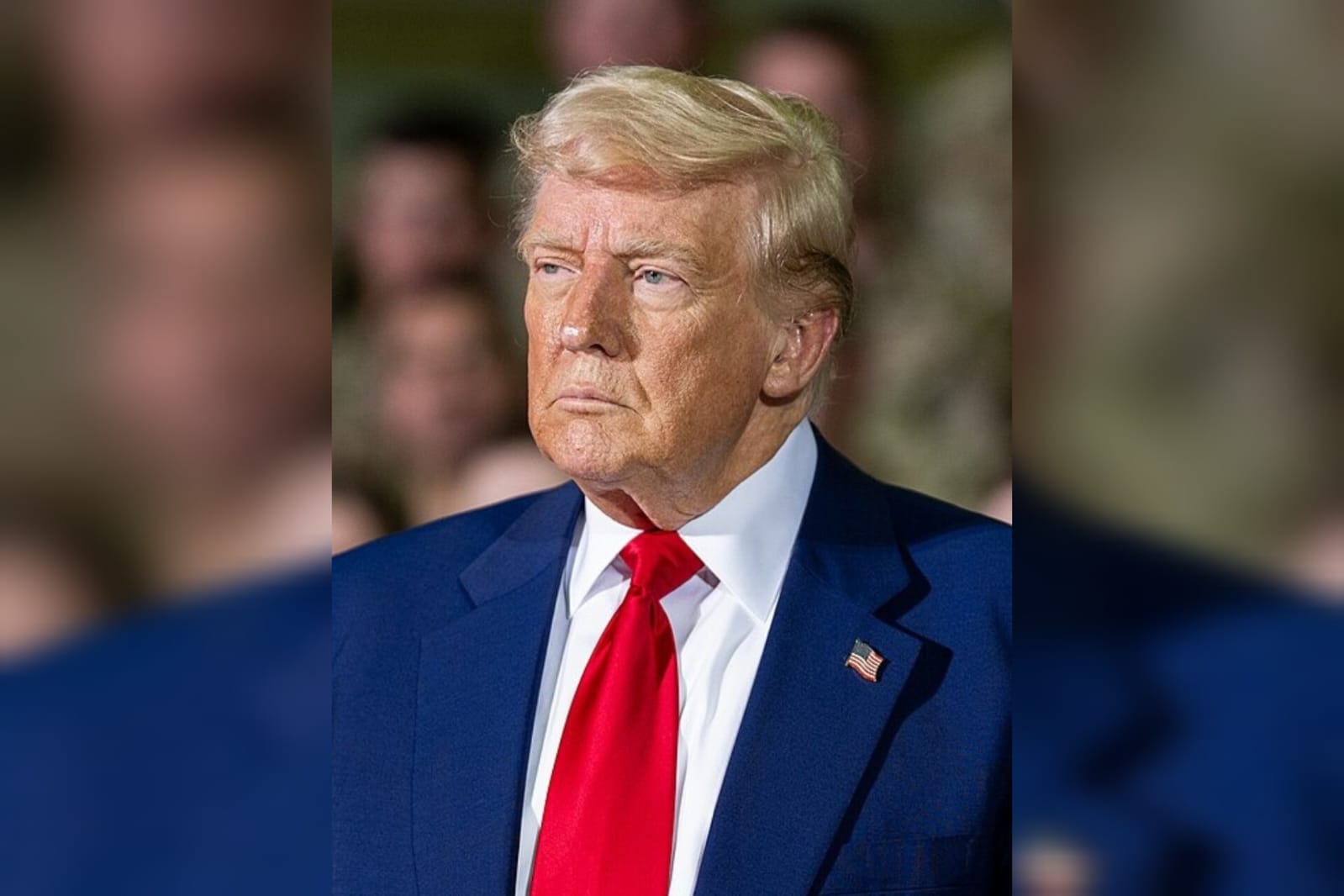
The recent memorandum of understanding (MOU) between U.S. President Donald Trump and Iran has sparked varied reactions globally. While some leaders see it as a positive step towards easing tensions, critics believe it offers Iran significant advantages without concrete commitments on curbing its nuclear activities. Pakistani Prime Minister Shehbaz Sharif lauded the agreement, highlighting the role of diplomacy in reopening the Strait of Hormuz and facilitating renewed U.S.-Iran talks. Leaders of the G7 have also shown support, viewing it as a crucial chance to prevent Iran from developing nuclear weapons and to stabilize international energy markets.
According to the agreement, Iran is set to reopen the Strait of Hormuz, a vital waterway for global oil transportation. In return, the United States will lift certain sanctions on Iranian oil exports, petroleum products, and related banking services. This arrangement sets the stage for further discussions on Iran’s nuclear program and its stockpile of highly enriched uranium over the next 60 days. The deal, however, has not been well-received in Israel, where there are concerns that easing economic pressure on Iran might embolden its nuclear ambitions without significant restraints. Israeli political leaders and former officials have voiced their displeasure, suggesting that the Israeli government was excluded from the negotiation process.
Domestically, the agreement has led to mixed reactions within the United States. Some Republican lawmakers have cautiously endorsed the diplomatic effort, appreciating the reopening of the Strait of Hormuz and a reduction in hostilities as positive developments. On the other hand, certain Democratic leaders and other Republicans criticize the MOU, arguing that it provides Iran with economic benefits while offering only vague commitments on its nuclear program. President Trump has hailed the agreement as a significant victory for the United States, whereas Iranian officials have claimed it as a testament to their successful negotiation tactics.
The divergent responses highlight the complexity of the geopolitical landscape surrounding Iran’s nuclear capabilities. While some international and domestic actors view the agreement as a diplomatic breakthrough, others remain skeptical about its potential impact on regional security and nuclear proliferation. As the 60-day negotiation period approaches, the world will be closely watching the developments between Washington and Tehran, hopeful yet wary of the outcomes.