
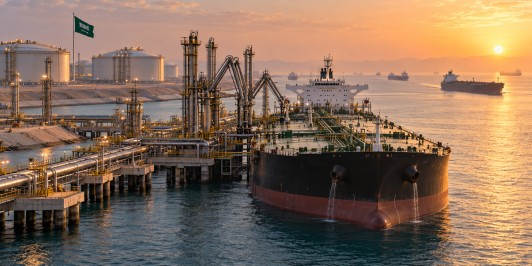
Saudi Arabia has recently taken significant steps to alleviate potential oil supply shortages in Asia by selling nearly 100 million barrels of crude oil to the region. These sales, which commenced in the middle of last week, are aimed at providing relief to Asian refiners facing tight supplies and rising oil prices. The deliveries are scheduled for October and November, primarily through the Strait of Hormuz, a crucial maritime route for global oil transportation.
The primary recipients of this substantial oil shipment include major refiners in China, India, Japan, and South Korea. These countries have been grappling with disrupted supplies from Iran and have reduced their intake of Russian crude due to increased geopolitical tensions. With Saudi Arabia stepping in to fill the gap, Asian nations may see some respite from the supply constraints and escalating costs.
This development comes at a time when Saudi Arabia is adjusting its oil transportation strategies due to damage to its East-West pipeline, which was attacked on September 10. As the pipeline undergoes repairs and gradually restarts, Saudi Arabia has been compelled to depend more heavily on the Strait of Hormuz to export its oil.
For China and India, in particular, the increased availability of Saudi crude oil is critical. Refiners in these countries have been contemplating production cuts because of the surge in crude prices and limited supply options. By augmenting its oil exports to Asia, Saudi Arabia is helping these nations avoid potential disruptions in their refining operations.
The current oil market conditions have intensified competition for crude supplies from alternative regions such as Africa and Latin America. Gulf producers, including Saudi Arabia, are now assuming more responsibility for transportation and logistics, as buyers remain wary of arranging shipments through areas plagued by security risks.
Overall, Saudi Arabia’s strategic move to boost oil shipments underscores its pivotal role in stabilizing the Asian oil market amid ongoing global uncertainties and supply disruptions.