
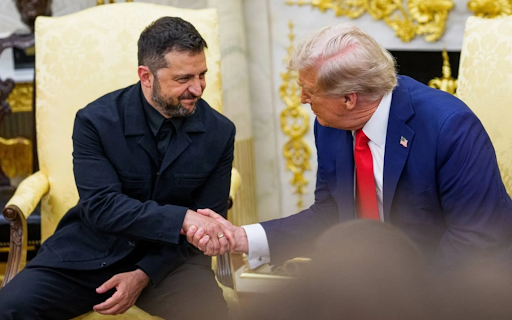
Beyond the immediate goal of a Putin-Zelenskyy meeting, the White House has introduced a tantalizing possibility that could reshape the entire peace process: a trilateral summit involving President Donald Trump. The suggestion that such a meeting could happen “if necessary” opens a new dimension in the diplomatic landscape.
The inclusion of the U.S. President at the negotiating table would elevate the talks from a bilateral conflict resolution to a major global summit. It would position Trump not just as a mediator but as a direct participant and a potential guarantor of any agreement reached. This could provide both leverage and reassurance, particularly for the Ukrainian side.
However, a trilateral format also carries risks. It could allow Russia to frame the conflict as a broader dispute with the West, rather than a direct issue with Ukraine. It also raises questions about the role of European allies, who have been central to the diplomatic and military support for Kyiv thus far.
The very possibility of a Trump-Putin-Zelenskyy meeting alters the calculations for all sides. It gives Trump significant leverage, provides Zelenskyy with a powerful ally in the room, and forces Putin to consider a negotiation not just with Ukraine, but with the United States as well. The conditions under which this meeting would become “necessary” remain the great unknown.