
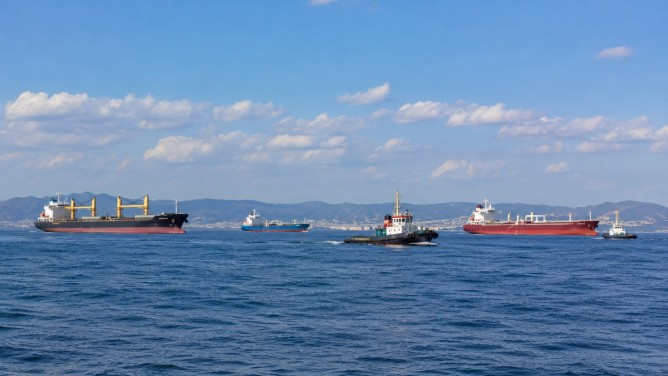
Saudi Arabia has voiced strong disapproval of an Iranian assault on a tanker flying the Saudi flag in the Strait of Hormuz, which resulted in the deaths of two Filipino crew members. The attack on the tanker Sidra occurred late Monday as it navigated the strategically vital waterway. In response, Saudi Arabia’s Foreign Ministry has called for a swift reduction in tensions, advocating for all parties to adhere to international laws and seek resolutions through dialogue and peaceful means.
This incident unfolded against a backdrop of intensified military confrontations between Iran and the United States. The U.S. military has executed strikes targeting Iranian air-defense systems, radar facilities, and other strategic assets including maritime and mine-laying capabilities, as well as communications sites. These actions have provoked a series of retaliatory attacks from Iran, aimed at U.S. military positions and installations across several Middle Eastern nations, including Bahrain, Jordan, Kuwait, Iraq, and the United Arab Emirates. Iranian officials have indicated that these measures are intended to compel the United States to withdraw its military presence from the region.
The current escalation has amplified worries about the safety of commercial shipping and the security of energy supplies traversing the Strait of Hormuz, a critical corridor for global oil transit. This strait is one of the most vital routes for oil transport worldwide, making any threat to its security a significant concern for the global energy market. As tensions rise, the safety of vessels passing through this narrow chokepoint becomes increasingly precarious, raising alarms within the international community.
Simultaneously, the United States has issued a call to nations and businesses with ongoing economic relationships with Iran, urging them to reconsider their support for Tehran. Washington’s strategy is to escalate pressure on Iran to de-escalate the conflict and encourage a return to diplomatic negotiations. This appeal is part of a broader effort to isolate Iran economically and politically, with the aim of mitigating further escalation in the region.